


The Egyptian Book of the Dead
The Egyptian Book of the Dead is an ancient collection of spells, prayers and incantations designed to guide the departed through the perils of the underworld. Written as part of funeral rites to ensure eternal life, these scrolls were often left in the sarcophagus of the deceased and now offer fascinating insight into Egyptian culture.

The Egyptian Book of the Dead
The Egyptian Book of the Dead is an ancient collection of spells, prayers and incantations designed to guide the departed through the perils of the underworld, ultimately ensuring eternal life. Written as part of funeral rites, these scrolls were often left in the sarcophagus of the deceased and now offer fascinating insight into Egyptian culture.

The Dialogues of Socrates
In The Dialogues of Socrates collection of Plato's dialogues, the student of Socrates provides a profound exploration of the philosopher's belief in personal responsibility through dialogues with fellow Athenians. Featured are six key works: Charmides, Symposium, Euthyphro, Apology, Crito, and Phaedo, offering an insightful read for both new philosophy enthusiasts and seasoned intellectuals.
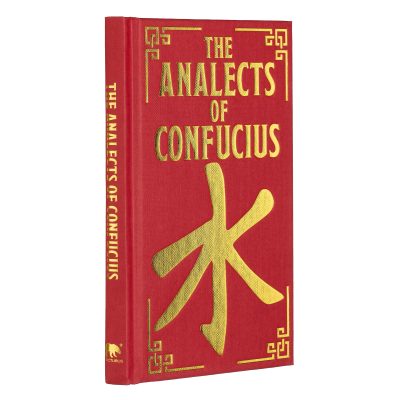
The Analects of Confucius
The Analects of Confucius are a collection of Confucius’s sayings brought together by his pupils shortly after his death in 497 BC. Together they express a philosophy, or a moral code, by which Confucius, one of the most humane thinkers of all time, believed everyone should live. Upholding the ideals of wisdom, self-knowledge, courage and love of one’s fellow man, he argued that the pursuit of virtue should be every individual’s supreme goal.
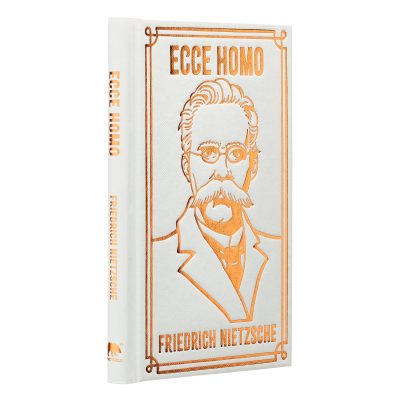
Ecce Homo
Ecce Homo is Nietzsche's compelling autobiography, written in 1888, just weeks before he succumbed to madness. Nietzsche's last great work, a fascinating and bizarre text, traces the development of his own philosophy and the thinkers who influenced him along the way. Both shocking and revealing, Ecce Homo is a window into the mind of one of Germany's most acclaimed philosophers.

The Myths and Mythology Collection
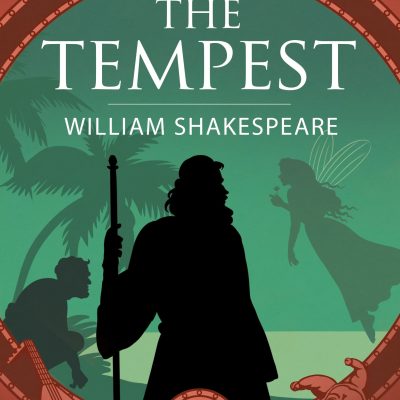
The Tempest
The Tempest is listed in the First Folio as the first of Shakespeare's comedies, modern studies have created a category of romance for this and others of Shakespeare's late plays. Some modern interpretations have seen it as a fable of art and creation, with Prospero representing Shakespeare, and Prospero's renunciation of magic representing Shakespeare's farewell to the stage, while others consider it an allegory of Europeans colonizing foreign lands.

The Legend of Sleepy Hollow and Other Stories
'The Legend of Sleepy Hollow' tells the tale of superstitious schoolmaster Ichabod Crane who seeks the hand of Katrina, but finds he has a rival for her affections in the form of Brom Bones Van Brunt who likes to play tricks on him. Turned down by Katrina, 'heavy-hearted and crestfallen' he rides through the autumn night where he encounters a headless horseman in a classic American ghost story that is often referenced today. It's a companion piece to 'Rip Van Winkle', which you'll also find here among many other great short stories from Washington Irving.